.png)
Why You Shouldn’t Delay Your AC System Tune-Up
Air conditioning systems work hard to keep homes comfortable, especially during the hottest months of the year. However, many homeowners only think about their air conditioner when it stops working. One of the most common mistakes people make is postponing routine maintenance. Delaying an AC system tune-up can lead to higher energy bills, unexpected breakdowns, reduced comfort, and costly repairs.
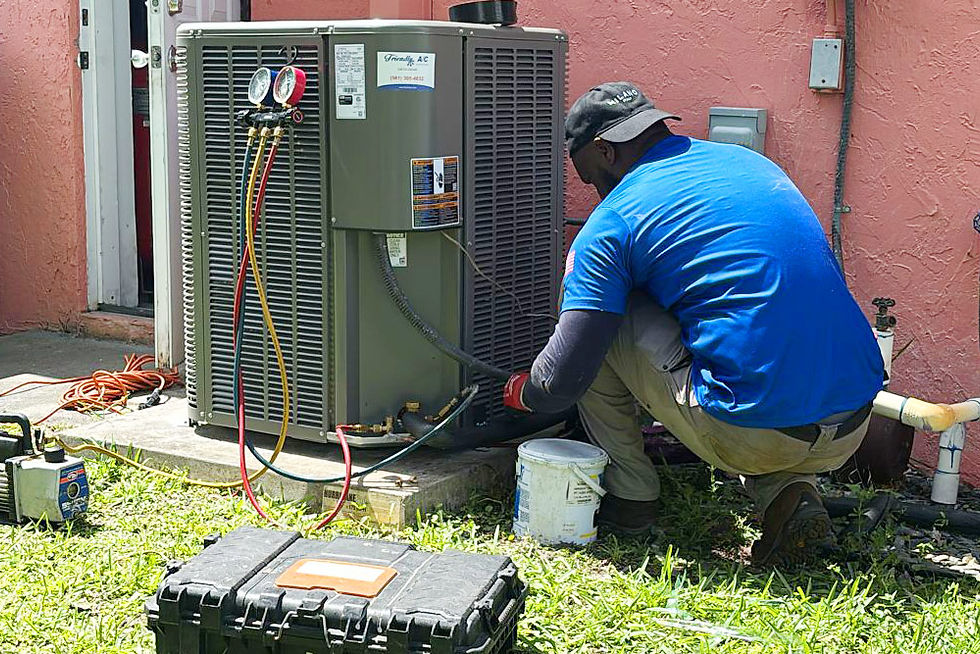
Regular maintenance is essential for keeping your cooling system running efficiently and reliably. A professional AC system tune-up helps ensure your unit operates at peak performance, extends its lifespan, and prevents minor issues from becoming major problems.
In this guide, we will explore why you should never delay your AC maintenance, what happens when you skip it, and how regular tune-ups can save you money while keeping your home comfortable year-round.
What Is an AC System Tune-Up?
An AC system tune-up is a professional maintenance service designed to inspect, clean, and optimize the performance of your air conditioning system. During a tune-up, HVAC technicians evaluate the entire system to ensure that every component is functioning properly.
A standard AC tune-up usually includes:
Inspecting and cleaning condenser coils
Checking refrigerant levels
Inspecting electrical components and wiring
Testing thermostat performance
Cleaning or replacing air filters
Lubricating moving parts
Checking the condensate drain line
Inspecting the blower motor and fan
These steps ensure your AC unit runs efficiently and safely. Even small adjustments made during a routine tune-up can significantly improve system performance.
The Risks of Delaying an AC System Tune-Up
Many homeowners delay AC maintenance because their system appears to be working fine. Unfortunately, hidden issues often develop long before noticeable symptoms appear.
Skipping a routine AC system tune-up can lead to several problems that affect both comfort and cost.
1. Higher Energy Bills
One of the most immediate consequences of delaying an AC tune-up is increased energy consumption. When dust, dirt, and debris accumulate inside the system, the AC unit must work harder to cool your home. Dirty coils, clogged filters, and worn components force the system to consume more electricity. A properly maintained system runs more efficiently and uses less energy. Regular AC system tune-ups ensure that airflow remains unrestricted and components function smoothly, which helps lower monthly utility costs. Over time, the savings from improved efficiency can easily cover the cost of routine maintenance.
2. Increased Risk of System Breakdowns
Air conditioners are complex machines with many moving parts. Without routine inspections, minor issues can quickly develop into serious failures.
For example:
Loose electrical connections can damage components
Dirty coils can cause overheating
Low refrigerant levels can strain the compressor
During a professional AC system tune-up, technicians identify these problems early and fix them before they escalate. Preventative maintenance significantly reduces the chances of sudden breakdowns, especially during peak summer heat.
Emergency AC repairs can be expensive and inconvenient. Scheduling regular maintenance helps avoid those stressful situations.
3. Shortened System Lifespan
Air conditioning systems represent a major investment for homeowners. Most units are designed to last between 10 and 15 years, but this lifespan depends heavily on proper maintenance. When maintenance is neglected, components experience additional stress and wear out faster. The compressor, one of the most expensive parts of the system, is particularly vulnerable to damage caused by poor airflow or refrigerant issues.
A consistent AC system tune-up schedule keeps all parts functioning smoothly and reduces unnecessary strain on the system. As a result, the unit can operate reliably for many years.
Replacing an air conditioner prematurely can cost thousands of dollars. Preventative maintenance helps protect that investment.
4. Poor Indoor Comfort
If your AC system is not operating efficiently, your home may struggle to maintain consistent temperatures.
Common comfort issues caused by delayed maintenance include:
Uneven cooling in different rooms
Weak airflow from vents
Longer cooling cycles
Hot and cold spots throughout the house
These problems often result from clogged filters, dirty coils, or airflow restrictions.
A professional AC system tune-up restores optimal airflow and ensures that the system distributes cool air evenly throughout the home. This leads to better temperature control and improved comfort.

5. Reduced Indoor Air Quality
Your air conditioning system plays a major role in maintaining indoor air quality. The system circulates air throughout the home and filters out dust, allergens, and airborne particles.
When maintenance is neglected, contaminants can accumulate in the system.
Common air quality problems include:
Dust buildup inside ductwork
Mold growth in coils or drain pans
Dirty or clogged air filters
A routine AC system tune-up includes cleaning critical components and replacing filters when necessary. This helps maintain healthier indoor air and reduces the spread of allergens and pollutants. For households with allergy sufferers or respiratory concerns, regular maintenance is especially important.
6. Expensive Repairs
Many major AC repairs start as small, inexpensive issues that were ignored for too long.
For instance:
A clogged condensate drain can cause water damage
Dirty coils can lead to compressor failure
Loose wiring can damage electrical components
When technicians perform an AC system tune-up, they detect these issues early and resolve them before they become costly repairs. Preventive maintenance is far more affordable than emergency service calls and major component replacements.
Signs Your AC System Needs a Tune-Up
Even if your air conditioner appears to be working normally, certain warning signs indicate that maintenance is overdue.
Watch for these signs:
Rising Energy Bills
If your electricity costs are increasing despite normal usage, your AC system may be losing efficiency.
Weak Airflow
Reduced airflow from vents often indicates clogged filters, blocked ducts, or blower issues.
Unusual Noises
Grinding, rattling, or squealing sounds may signal loose parts or worn components.
Warm Air from Vents
If your AC blows warm air instead of cool air, the system may have refrigerant issues or thermostat problems.
Frequent Cycling
An AC system that turns on and off repeatedly may be struggling to maintain the desired temperature.
Scheduling an AC system tune-up at the first sign of these problems can prevent further damage and restore system performance.
When Should You Schedule an AC System Tune-Up?
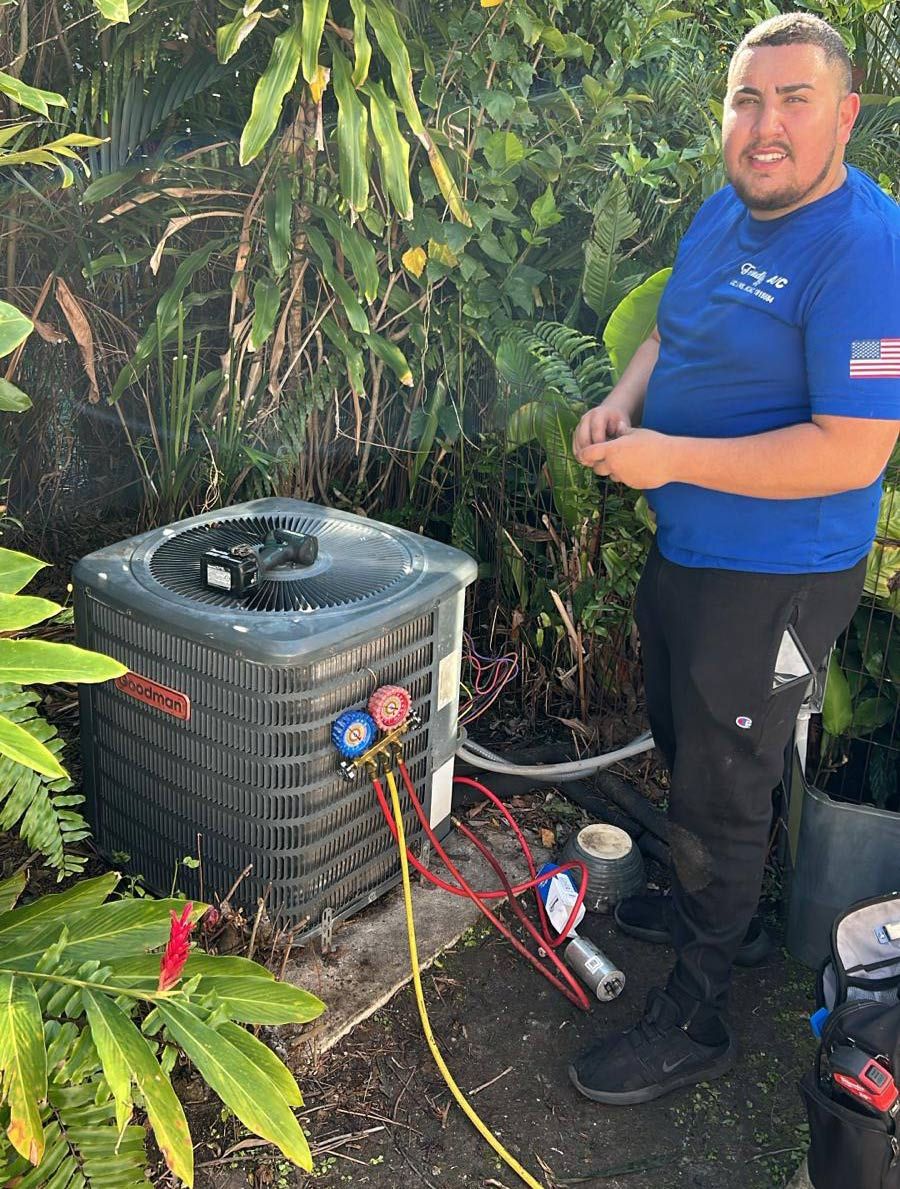
The best time to schedule an AC system tune-up is before the cooling season begins, typically in early spring. Spring maintenance ensures that the system is fully prepared to handle the heavy workload of summer. However, if you missed spring maintenance, it is still beneficial to schedule a tune-up at any time during the year. Regular maintenance is better late than never. Experts generally recommend scheduling a professional AC tune-up at least once per year. Homes in warmer climates where AC systems run nearly year-round may benefit from two maintenance visits annually.
What Happens During a Professional AC System Tune-Up?
A professional AC system tune-up involves a comprehensive inspection and optimization process.
Here are some of the key steps HVAC technicians perform:
Thermostat Calibration: Technicians test the thermostat to ensure accurate temperature readings and proper system communication.
Electrical System Inspection: All wiring, capacitors, and electrical connections are examined to prevent safety hazards or component damage.
Refrigerant Check: Technicians verify that refrigerant levels are correct and inspect for potential leaks.
Coil Cleaning: Evaporator and condenser coils are cleaned to improve heat transfer and system efficiency.
Air Filter Replacement: Dirty filters are replaced to maintain proper airflow and indoor air quality.
Condensate Drain Inspection: The drain line is cleared to prevent clogs and water damage.
Moving Part Lubrication: Motors and other moving components are lubricated to reduce friction and wear.
Each of these tasks contributes to a smoother, more efficient cooling system.
Benefits of Regular AC System Tune-Ups
Scheduling regular maintenance offers several important advantages.
Lower Energy Consumption: A well-maintained system uses less electricity and operates more efficiently.
Improved Cooling Performance: Tune-ups ensure that the system cools your home effectively and evenly.
Fewer Repairs: Routine inspections identify small issues before they become expensive problems.
Longer Equipment Lifespan: Maintaining the system reduces wear and tear, allowing the unit to last longer.
Warranty Protection: Many manufacturer warranties require proof of regular maintenance.
A consistent AC system tune-up schedule protects both your comfort and your financial investment.
DIY Maintenance Tips Between Professional Tune-Ups
While professional maintenance is essential, homeowners can take several simple steps to keep their systems in good condition between service visits.
Replace Air Filters Regularly: Air filters should typically be replaced every 1 to 3 months, depending on usage and household conditions.
Keep the Outdoor Unit Clean: Remove leaves, dirt, and debris from around the outdoor condenser unit to ensure proper airflow.
Check Vents and Registers: Make sure vents are not blocked by furniture or curtains.
Monitor Thermostat Settings: Using a programmable thermostat can improve efficiency and reduce unnecessary strain on the system.
These simple steps support the effectiveness of your annual AC system tune-up.
The Cost of Skipping AC Maintenance
Some homeowners delay maintenance to save money, but this often leads to higher long-term costs.
Potential expenses caused by neglected maintenance include:
Emergency repair services
Compressor replacement
Higher electricity bills
Early system replacement
Compared to these costs, a routine AC system tune-up is a small investment that delivers significant financial benefits.
Preventive maintenance is always more affordable than reactive repairs.
Final Thoughts
Delaying routine air conditioning maintenance may seem harmless, but it can lead to serious consequences. From rising energy bills and poor cooling performance to expensive repairs and premature system failure, the risks of skipping maintenance are significant. A professional AC system tune-up ensures that your air conditioner operates efficiently, safely, and reliably. Regular maintenance helps prevent breakdowns, improve indoor comfort, enhance air quality, and extend the lifespan of your equipment. Instead of waiting for problems to appear, schedule your AC tune-up proactively.
Taking care of your system today can save you money, stress, and discomfort in the future. If you want to keep your cooling system running smoothly and avoid unexpected breakdowns, professional maintenance is essential. Contact Friendly A/C today to schedule your AC system tune-up and ensure your air conditioner is ready to deliver reliable comfort when you need it most.


Comments