.png)
What Is Zoogloea, and Why Is It Clogging Up Your AC Drain Line?
Understanding How Zooglea Affects Your AC Drain Line
Most homeowners never think about their air conditioner's drain line until water starts leaking onto the floor. Suddenly, what seemed like a minor issue becomes a major concern. If you've ever experienced an overflowing condensate drain pan, frequent AC shutdowns, or unexplained water around your indoor unit, there is a good chance that Zoogloea may be the culprit.
A Zooglea AC drain line problem is one of the most common causes of air conditioning drainage issues, especially in warm, humid climates. This slimy, bacteria-based buildup can grow inside your condensate drain system and eventually create a complete blockage. Left untreated, it can lead to expensive AC repair costs, system inefficiency, and even serious home water damage.

In this guide, we'll explain what Zoogloea is, why it forms inside AC drain lines, how it affects your cooling system, and what homeowners can do to prevent costly drainage problems.
What Is Zoogloea?
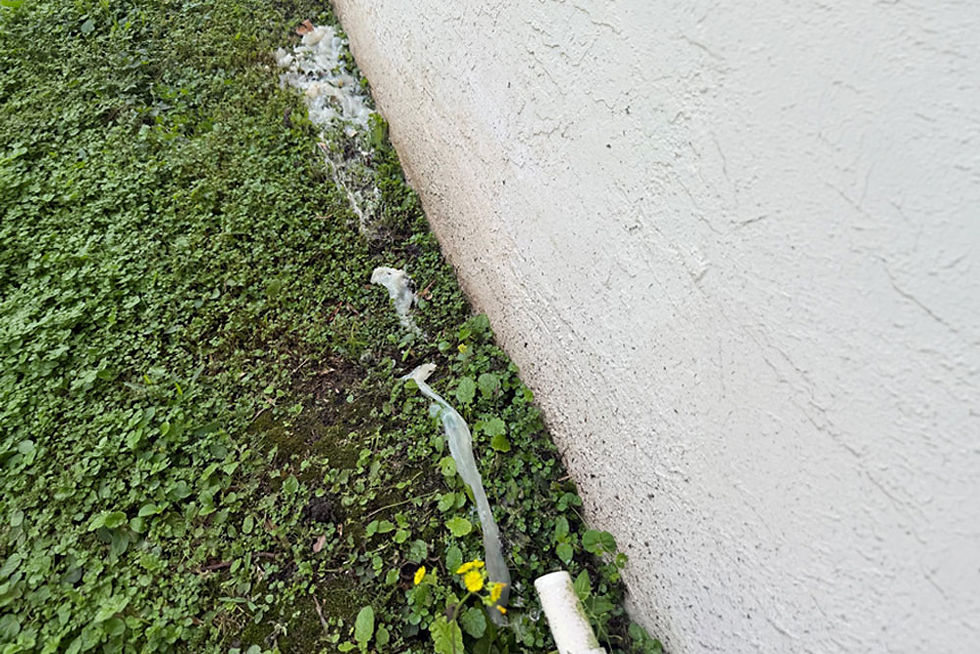
Zoogloea is a type of bacterial biofilm that forms when bacteria combine with moisture, dust, organic matter, and other contaminants. The resulting substance appears as a thick, slimy mass that can range in color from clear and white to brown or black.
In HVAC systems, Zoogloea develops in areas where moisture is consistently present, making air conditioner condensate drain lines an ideal environment for growth.
Many HVAC technicians refer to this substance as:
Drain snot
Bio-slime
Bacterial biofilm
AC sludge
Drain line slime
Regardless of the name, the problem remains the same. As the biofilm grows, it narrows the inside diameter of the drain pipe until water can no longer flow properly.
Why Does Zoogloea Form in AC Systems?
To understand why a Zooglea AC drain line develops, it helps to know how your air conditioner removes humidity.
When warm indoor air passes over the evaporator coil, moisture condenses on the coil's surface. This condensation drips into the condensate drain pan and then flows through the drain line to the outside of the home.
This process creates the perfect environment for bacterial growth:
Constant Moisture
Water is continuously present inside the drain system, providing bacteria with the moisture they need to thrive.
Warm Temperatures
The area around the evaporator coil and drain pan remains relatively warm, encouraging microbial growth.
Organic Debris
Dust, dirt, pollen, pet dander, and airborne contaminants enter the HVAC system and accumulate in the drain pan and line.
Poor Airflow
Dirty filters and neglected systems can increase moisture retention and create favorable conditions for biofilm development.
Over time, these factors combine to create the sticky bacterial biofilm known as Zoogloea.
How Zoogloea Causes an AC Drain Line Clog
The primary danger of Zoogloea is its ability to restrict water flow.
Unlike a simple dirt blockage, bacterial biofilm adheres tightly to the interior walls of the drain pipe. As more bacteria multiply, the slime layer becomes thicker and thicker.
Eventually, the buildup:
Narrows the drain line
Slows water drainage
Traps additional debris
Creates complete blockages
Once the drain line becomes clogged, condensate water has nowhere to go.
The result is an AC drain line clog that can quickly cause water to back up into the system.
Signs of a Zooglea AC Drain Line Problem
Early detection can help prevent expensive repairs. Watch for these common warning signs.
Water Around the Indoor Unit
If you notice water pooling near your air handler or furnace, the condensate drain may already be blocked.
Full Condensate Drain Pan
A properly functioning system should not have standing water in the drain pan.
Excessive water accumulation often indicates restricted drainage caused by bacterial biofilm.
Musty Odors
Bacterial growth inside the drain line can produce unpleasant smells that circulate throughout the home.
AC Shutting Off Unexpectedly
Many systems include a float safety switch that automatically turns off the unit when water reaches a dangerous level.
Frequent shutdowns can indicate a clogged drain system.
High Indoor Humidity
When drainage problems affect system performance, humidity levels inside the home may increase.
Visible Slime
If you inspect the drain line opening and notice gelatinous or slimy material, Zoogloea may already be established.
What Is a Float Safety Switch?
Modern HVAC systems often include a float safety switch as protection against water damage. This device monitors water levels in the condensate drain pan. If water rises beyond a safe level, the switch cuts power to the air conditioning system.
While homeowners may find the sudden shutdown frustrating, the float switch serves an important purpose.
Without it, a clogged drain line could overflow for hours or even days, causing extensive water damage throughout the home.
Think of the float safety switch as your AC system's emergency shutoff mechanism.
How a Clogged Drain Line Can Cause Home Water Damage
One of the biggest risks associated with a Zooglea AC drain line is water damage.
When water backs up due to a blockage, it can overflow the condensate drain pan and spread into surrounding areas.
Potential consequences include:
Damaged Drywall
Water can soak walls and ceilings, leading to staining and structural deterioration.
Flooring Damage
Wood, laminate, and carpet can absorb moisture and become permanently damaged.
Mold Growth
Excess moisture creates ideal conditions for mold and mildew development.
Insulation Damage
Wet insulation loses effectiveness and may require replacement.
Electrical Hazards
Water exposure near HVAC components can create dangerous electrical conditions.
What starts as a small drain clog can quickly become a costly home repair project.
Why Warm and Humid Climates Experience More Drain Line Problems
Homes located in humid regions often experience more frequent Zoogloea buildup.
This happens because air conditioners remove larger amounts of moisture from the air.
More moisture means:
Increased condensate production
Longer periods of wetness inside the drain line
Faster bacterial growth
Greater risk of biofilm accumulation
As a result, homeowners in humid climates should pay especially close attention to routine AC maintenance.

Can Zoogloea Affect AC Efficiency?
Yes. Although Zoogloea primarily impacts drainage, it can indirectly reduce overall system performance.
A clogged drain system can contribute to:
Higher humidity levels
Reduced comfort
Increased system strain
Longer cooling cycles
Potential evaporator coil issues
When moisture management becomes compromised, the air conditioner may need to work harder to maintain desired indoor temperatures.
Over time, this increased workload can contribute to higher energy bills.
How HVAC Professionals Remove Zoogloea
Professional AC repair technicians typically use several methods to eliminate bacterial biofilm from drain lines.
Vacuum Cleaning: Technicians often attach a wet-dry vacuum to the outdoor drain termination point to remove slime and debris.
Mechanical Cleaning: Specialized brushes and drain cleaning tools can break apart stubborn blockages.
Flushing the Drain Line: After clearing the obstruction, technicians may flush the line with approved cleaning solutions.
Cleaning the Condensate Drain Pan: Removing sludge from the condensate drain pan helps reduce future contamination.
System Inspection: HVAC professionals inspect related components to ensure proper drainage and operation.
A thorough cleaning restores normal water flow and helps prevent recurring issues.
How to Prevent Zoogloea Buildup
Prevention is far easier and less expensive than dealing with a major drain blockage.
Change Air Filters Regularly: Dirty filters allow more contaminants to enter the HVAC system. Clean filters reduce dust and organic material that feed bacterial growth.
Schedule Routine AC Maintenance: Professional AC maintenance includes inspection and cleaning of drainage components. Regular service helps identify problems before they become severe.
Keep the Drain Line Clean: Periodic drain line cleaning can help remove early-stage buildup before it develops into a blockage.
Inspect the Drain Pan: Checking the condensate drain pan for standing water can help detect drainage issues early.
Address Moisture Problems Promptly: Any signs of leaks, water accumulation, or unusual humidity should be investigated immediately.
How Often Should AC Drain Lines Be Cleaned?
The ideal cleaning schedule depends on several factors, including climate, system usage, and indoor air quality.
Many HVAC professionals recommend:
Annual drain line inspection
Drain cleaning during routine maintenance visits
More frequent service in humid environments
Homes with pets, high dust levels, or previous clogging issues may require additional attention.
Common Misconceptions About Drain Line Clogs
"It's Just Dirt"
While dirt contributes to the problem, bacterial biofilm is often the primary cause of blockage.
"Bleach Solves Everything"
Although some homeowners use bleach, improper application can damage system components and may not fully eliminate the biofilm.
"The Problem Will Clear Itself"
Unfortunately, Zoogloea continues to grow over time. Waiting usually makes the blockage worse.
"A Little Water Is Normal"
Any persistent water around the indoor unit deserves immediate investigation.
Ignoring moisture issues can lead to significant home water damage.
When Should You Call an HVAC Professional?
Contact a qualified HVAC technician if you notice:
Water leaking around the unit
Frequent float switch shutdowns
Standing water in the condensate drain pan
Slow drainage
Persistent musty odors
Recurring AC drain line clog problems
Professional diagnosis can prevent minor drainage issues from becoming major repairs.
The Role of Preventive AC Maintenance
Many homeowners view maintenance as optional, but routine service plays a critical role in preventing drainage problems.
Professional AC maintenance typically includes:
Drain line inspection
Drain pan cleaning
Air filter evaluation
Evaporator coil inspection
Moisture management assessment
System performance testing
These preventive measures significantly reduce the likelihood of bacterial biofilm accumulation.
The Long-Term Cost of Ignoring Zoogloea
Ignoring a developing Zooglea AC drain line issue can become expensive.
Potential costs include:
Emergency AC repair
Water damage restoration
Mold remediation
Ceiling repairs
Flooring replacement
HVAC component replacement
By comparison, routine maintenance and drain cleaning are relatively inexpensive investments.
Final Thoughts
A Zooglea AC drain line problem may seem minor at first, but the bacterial biofilm responsible for these clogs can create serious consequences if left untreated. This slimy buildup, often called drain snot or bio-slime, thrives in the moist environment of your air conditioner’s drainage system. As Zoogloea accumulates, it can create a complete AC drain line clog, trigger float safety switch shutdowns, fill the condensate drain pan, and eventually lead to significant home water damage.
Fortunately, regular AC maintenance, routine inspections, and prompt AC repair services can prevent most drainage problems before they escalate. By understanding what Zoogloea is and how it develops, homeowners can take proactive steps to keep their HVAC systems running efficiently while protecting their homes from costly water damage.
If you're experiencing a clogged AC drain line, water leaks, frequent system shutdowns, or other drainage issues, don't wait for the problem to worsen.
Contact Friendly A/C today for professional inspection, cleaning, and repair services. Our experienced HVAC technicians can quickly identify the source of the problem, clear stubborn drain line blockages, and help keep your air conditioning system operating reliably year-round. Schedule your service today and protect your home from unnecessary water damage and costly repairs.


Comments