.png)
South Florida Commercial AC Installation Cost Guide
Commercial air conditioning is a major investment for businesses throughout South Florida. Whether you operate an office, retail store, restaurant, medical facility, warehouse, hotel, or other commercial property, a reliable cooling system helps maintain indoor comfort and supports efficient daily operations. However, the cost of a new commercial HVAC system can vary significantly.
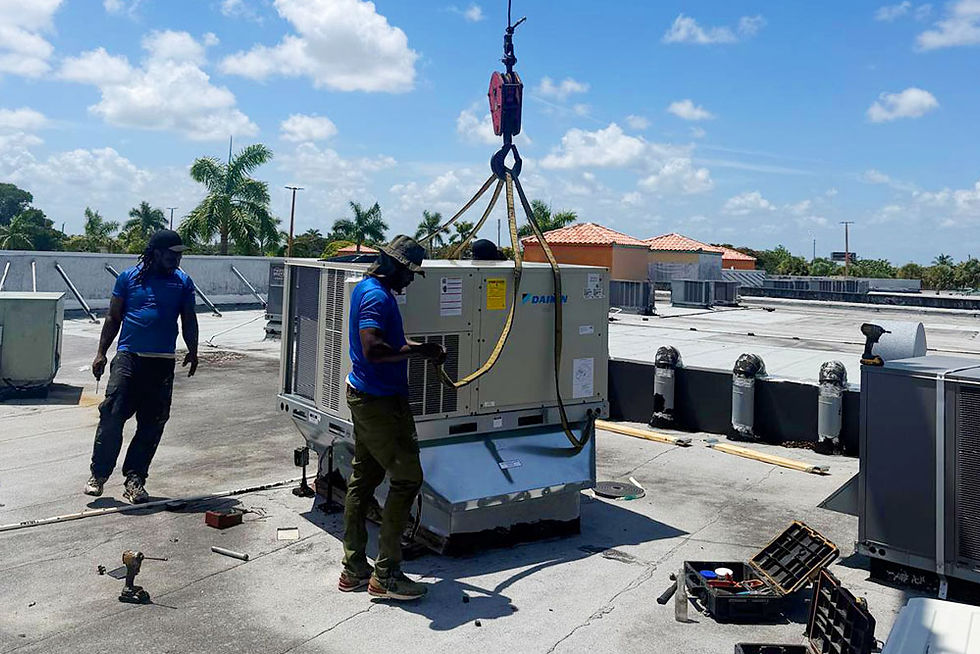
The total price depends on the size of the building, the type and capacity of the equipment, installation complexity, existing HVAC infrastructure, and local requirements. South Florida's high temperatures, humidity, long cooling season, and coastal conditions can also influence equipment selection and installation needs. Understanding these factors can help business owners and property managers plan their budgets and make informed decisions.
This guide explains the major factors that affect commercial AC installation costs and what businesses should consider before replacing or installing a new system.
How Much Does Commercial AC Installation Cost in South Florida?
The commercial AC installation cost South Florida businesses pay can vary widely depending on the equipment and project requirements. As a general planning estimate, commercial HVAC installation costs may fall within the following ranges:
Commercial System Type | Estimated Installed Cost |
Small commercial split system | $8,000 to $20,000 |
Medium commercial split system | $15,000 to $35,000 |
Commercial packaged system | $18,000 to $45,000 |
Commercial rooftop unit | $20,000 to $60,000 or more |
Large commercial HVAC system | $50,000 to $150,000 or more |
Complex multi-unit system | $100,000 to $500,000 or more |
These are broad estimates rather than fixed prices. The final commercial HVAC installation cost may be higher or lower depending on the equipment selected, building conditions, labor requirements, permits, and additional work.
For example, a small retail location may require only one packaged system, while a large office building may need several rooftop units, new ductwork, zoning controls, and electrical upgrades. An on-site commercial HVAC assessment is the most reliable way to determine the correct system size and receive an accurate estimate.
What Is Included in Commercial AC Installation?
A professional commercial AC installation involves more than placing a new air conditioner at the property. Depending on the project, the installation may include:
Removal and disposal of existing HVAC equipment
Installation of a new commercial AC unit
Ductwork repairs or modifications
Electrical connections or upgrades
Refrigerant line installation
Condensate drainage work
Rooftop equipment placement
Thermostat or building control installation
Permit applications and inspections
System startup, testing, and commissioning
Some commercial properties require a straightforward replacement, while others need extensive modifications because the building layout, cooling requirements, or existing HVAC infrastructure has changed. A detailed proposal should clearly explain what is included in the installation and identify any additional services that may affect the final cost.
Factors That Affect Commercial AC Installation Cost
Several factors influence the total cost of a commercial cooling project.
1. Building Size and Cooling Requirements
Larger commercial buildings generally require more cooling capacity, larger equipment, or multiple HVAC units. However, square footage alone does not determine the correct system size.
A professional HVAC evaluation may also consider:
Ceiling height
Number of occupants
Window size and sun exposure
Building insulation
Interior layout
Heat-producing equipment
Business operating hours
Ventilation requirements
For example, a 5,000-square-foot office may have different cooling needs from a 5,000-square-foot restaurant. Restaurants often produce more internal heat and may require specialized ventilation and exhaust systems.
Proper system sizing helps prevent comfort problems, unnecessary energy use, and premature equipment wear.
2. Cooling Capacity
Commercial AC systems are commonly measured in tons. One ton of cooling capacity equals approximately 12,000 BTUs per hour.
Commercial systems may range from several tons for smaller businesses to dozens or hundreds of tons for large facilities.
As cooling capacity increases, equipment and installation costs generally increase. Larger systems may require:
Larger electrical connections
Expanded ductwork
Additional structural support
Advanced controls
Specialized installation equipment
The correct system capacity should be determined through a professional cooling load calculation rather than an estimate based only on building size.
3. Type of Commercial HVAC System
The type of system selected can significantly affect the total commercial HVAC installation cost.
Commercial Split Systems
Commercial split systems have separate indoor and outdoor components. They may be suitable for offices, retail spaces, and smaller commercial properties. Installation costs can depend on the distance between the indoor and outdoor equipment, refrigerant line requirements, ductwork conditions, and property accessibility.
Packaged Commercial Systems
Packaged systems contain major heating and cooling components in one outdoor cabinet. They are often installed on rooftops or ground-level platforms. These systems can be a practical option for many commercial properties because they keep major HVAC components outside the primary building area.
Commercial Rooftop Units
Commercial rooftop units, also known as RTUs, are common in offices, shopping centers, restaurants, warehouses, and other commercial buildings. The commercial rooftop unit installation cost depends on equipment size, roof access, crane requirements, roof curb compatibility, electrical work, and the condition of the existing duct connections.
Variable Refrigerant Flow Systems
Variable refrigerant flow, or VRF, systems provide flexible temperature control for different areas of a building. They may have higher initial costs but can offer improved zoning and energy efficiency in suitable commercial applications.
Commercial AC Unit Cost in Broward County
The commercial AC unit cost Broward County businesses encounter depends on equipment capacity, brand, energy efficiency, features, and warranty coverage. The equipment purchase price is only one part of the total project cost. A commercial AC unit may not include installation labor, equipment removal, crane services, electrical work, duct modifications, permits, or system controls. Businesses should consider long-term value instead of focusing only on the initial equipment price.
Important factors include:
Expected energy use
Equipment reliability
Maintenance requirements
Replacement part availability
Indoor comfort
Humidity control
Estimated service life
In South Florida, humidity management is especially important. A commercial AC system should lower indoor temperatures while helping control excess moisture.

Commercial Rooftop Unit Installation Cost
Rooftop HVAC systems are common because they preserve valuable ground space and keep large equipment away from customer and employee areas.
However, rooftop projects may require specialized equipment and additional planning.
The commercial rooftop unit installation cost may include:
Removal of the existing rooftop unit
Crane rental and operation
Placement of the new equipment
Roof curb installation or modification
Structural evaluation
Duct connections
Electrical work
Condensate drainage
Weatherproofing
System startup and testing
Crane services can increase the total project cost, especially when equipment must be lifted over buildings, parking areas, or other obstacles.
Roof accessibility may also affect labor costs. Buildings with limited access or complex rooftop conditions may require additional safety procedures and installation planning.
Roof Curb Compatibility
A roof curb supports the rooftop HVAC unit and connects it to the building's ductwork.
When replacing an older system, the new unit may not match the existing curb. An adapter curb may be required, or the existing curb may need to be modified or replaced.
These requirements can increase installation costs and affect project timelines.
Roof Condition
The condition of the roof should be reviewed before installing new HVAC equipment. If the roof is nearing the end of its service life, property owners may want to coordinate roofing and HVAC projects.
Installing a new rooftop unit shortly before a major roof replacement could result in additional expenses later.
Commercial Air Conditioning Installation in Fort Lauderdale
Businesses planning commercial air conditioning installation Fort Lauderdale projects should consider local climate conditions, building requirements, property access, and equipment demands. Fort Lauderdale businesses often operate their cooling systems throughout much of the year. High temperatures and humidity can increase equipment operating hours and long-term energy use. Commercial properties near the coast may also experience greater exposure to salt air. Over time, salt can contribute to corrosion on outdoor equipment and metal components.
Depending on the property's location, businesses may benefit from:
Corrosion-resistant equipment
Protective equipment coatings
Regular coil cleaning
Preventive maintenance
Proper drainage systems
A qualified commercial HVAC contractor can evaluate the property and recommend equipment suited to local operating conditions.
Ductwork, Electrical Work, and Labor Costs
Ductwork and electrical upgrades can significantly affect the overall commercial HVAC installation cost. If the existing duct system is in good condition and compatible with the new equipment, only minor modifications may be required. However, older or damaged ductwork may need repairs or replacement. Costs may increase because of air leaks, poor insulation, improper sizing, inadequate airflow, building renovations, or ventilation upgrades.
A new commercial AC unit may not perform efficiently if the existing duct system is undersized, damaged, or poorly designed.
Electrical requirements should also be reviewed before installation. A new system may require:
New electrical circuits
Updated wiring
Disconnect switches
Electrical panel upgrades
Additional safety components
Labor is another major part of commercial installation pricing. Costs may increase when a project involves difficult rooftop access, large equipment, complex ductwork, multiple units, advanced controls, or after-hours installation.
Some businesses schedule HVAC work during evenings or weekends to reduce operational disruption. This may increase labor costs but can help the business remain open.
Permits and Installation Requirements
Commercial HVAC projects may require permits and inspections.
Requirements can vary based on the project location, equipment type, system capacity, electrical modifications, structural work, and local building regulations.
Permit fees are usually only one part of the total budget, but the approval process can affect installation timelines.
Working with an experienced commercial HVAC contractor can help ensure that the project follows applicable requirements and that necessary inspections are completed.
How South Florida's Climate Affects Commercial AC Costs
South Florida's climate creates unique demands for commercial cooling systems. Businesses may operate their air conditioning systems throughout much of the year, increasing equipment operating hours and long-term energy consumption. High humidity can also affect indoor comfort. A properly designed commercial HVAC system should help manage moisture and reduce the risk of:
Sticky indoor conditions
Condensation
Musty odors
Mold growth
Indoor air quality concerns
Equipment selection should account for both cooling capacity and humidity control.
South Florida businesses may also experience severe weather. Commercial HVAC equipment should be installed according to applicable building requirements and manufacturer recommendations.
Energy Efficiency and Long-Term Operating Costs
The least expensive commercial AC system may not provide the lowest cost over its entire service life. Higher-efficiency equipment may have a larger initial price but could reduce energy use and long-term operating expenses.
Potential savings depend on:
Equipment efficiency
Building operating hours
Local electricity costs
System capacity
Maintenance quality
Building insulation
Temperature settings
Businesses should evaluate the total cost of ownership rather than focusing only on the installation price. Long-term expenses may include energy use, maintenance, repairs, replacement parts, equipment downtime, and future system replacement. A commercial HVAC contractor can help compare equipment options and estimate potential operating costs.

How to Manage Commercial AC Installation Costs
Businesses should avoid choosing a system based only on the lowest estimate. Improper installation or low-quality equipment may lead to comfort problems, reduced efficiency, premature system failure, and higher repair costs.
However, several steps may help manage expenses.
Plan Before the System Fails
Emergency replacements may limit equipment choices and increase scheduling costs. Planning ahead provides more time to compare systems, review proposals, and schedule installation during a convenient period.
Request a Detailed Proposal
A commercial HVAC proposal should clearly explain the project scope.
The estimate may include:
Equipment information
Installation labor
Equipment removal
Ductwork
Electrical work
Crane services
Permits
Controls
Warranty details
A detailed proposal can help prevent unexpected expenses and make it easier to compare options.
Compare Long-Term Value
When reviewing installation estimates, consider equipment efficiency, installation quality, warranty coverage, maintenance requirements, contractor experience, and expected energy use. A lower estimate may exclude important services or use equipment with higher long-term operating costs.
Schedule Preventive Maintenance
Routine maintenance can help protect a new commercial HVAC investment.
Maintenance may include filter replacement, coil cleaning, electrical inspections, refrigerant checks, drain maintenance, airflow testing, and control calibration.
Regular service can help maintain system efficiency and identify developing problems before they require major repairs.
Frequently Asked Questions
How much does commercial AC installation cost in South Florida?
Commercial installation costs may range from approximately $8,000 for smaller systems to more than $100,000 for large or complex projects. The final price depends on system capacity, equipment type, building requirements, installation complexity, and additional services.
What affects commercial HVAC installation cost the most?
Major cost factors include system size, equipment type, installation labor, ductwork, electrical requirements, rooftop access, crane services, permits, and building complexity.
How much does a commercial AC unit cost in Broward County?
The commercial AC unit cost Broward County businesses pay varies based on equipment capacity, efficiency, brand, features, and application. Equipment costs should be evaluated separately from installation expenses.
What is the average commercial rooftop unit installation cost?
A commercial rooftop installation may cost approximately $20,000 to $60,000 or more. Larger equipment, crane services, difficult access, roof curb modifications, and extensive electrical work may increase the final price.
How long does commercial AC installation take?
A straightforward replacement may take one or several days. Larger projects involving multiple units, new ductwork, electrical upgrades, or custom system design may take several weeks or longer.
Final Thoughts
A new commercial cooling system is a significant investment, but the right equipment and professional installation can support indoor comfort, energy efficiency, and dependable business operations. The total commercial AC installation cost depends on building size, cooling capacity, equipment type, ductwork, electrical requirements, rooftop access, labor, permits, and project complexity. Businesses researching the commercial AC installation cost in South Florida should avoid relying on a single average price. Every commercial property has different cooling needs and infrastructure requirements.
Whether you are comparing commercial AC unit costs in Broward County, planning a commercial air conditioning installation in Fort Lauderdale, or evaluating the cost of a commercial rooftop unit installation, an on-site HVAC assessment can provide the most accurate estimate. Working with an experienced commercial HVAC contractor can help you select properly sized equipment, understand the complete project scope, and make an informed investment that supports your business for years to come. If you are planning a commercial AC installation or considering replacing your existing system, contact Friendly A/C to schedule a professional assessment and discuss the best cooling solution for your South Florida business.


Comments