.png)
Air Duct Replacement Guide: Signs You Need New Ductwork
- Jan 8
- 6 min read
Air duct replacement is one of the most overlooked yet critical upgrades in any residential or commercial HVAC system. While homeowners often focus on replacing air conditioners or furnaces, the ductwork that delivers conditioned air throughout the building plays a crucial role. When ducts become damaged, contaminated, or inefficient, the entire HVAC system suffers.
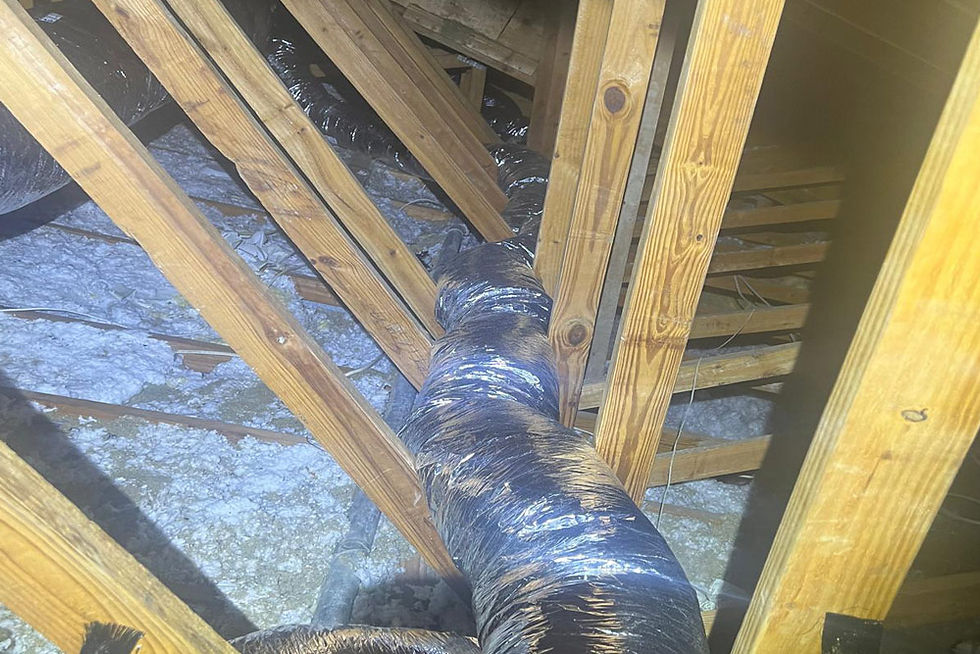
This complete air duct replacement guide explains the most common signs you need new ductwork, how HVAC duct problems affect comfort and energy costs, and how to decide between duct repair vs replacement. If you are experiencing poor air circulation, rising energy bills, or indoor air quality issues, this guide will help you understand when it is time to replace air ducts.
What Is Air Duct Replacement and Why Does It Matter?
Air duct replacement is the process of removing old, damaged, or inefficient ductwork and installing new ducts designed to properly distribute heated or cooled air throughout a building. Ductwork replacement ensures that your HVAC system operates efficiently, maintains balanced airflow, and delivers clean air to every room.
Over time, ducts can develop leaks, cracks, corrosion, or contamination. These issues lead to poor air circulation, uneven temperatures, mold in air ducts, and high utility costs. Replacing air ducts restores system performance and improves comfort, health, and energy efficiency.
Common HVAC Duct Problems That Require Attention
Before deciding on ductwork replacement, it is important to understand the most common HVAC duct problems that affect homes and businesses.
Air Leaks and Gaps in Ductwork
Leaky ducts allow conditioned air to escape into attics, crawl spaces, or wall cavities. This reduces airflow to living spaces and forces the HVAC system to work harder, leading to higher energy consumption.
Poorly Designed or Outdated Duct Systems
Older duct systems were often not designed for modern HVAC equipment. Undersized or poorly routed ducts cause airflow restrictions, temperature imbalance, and poor air circulation throughout the building.
Duct Corrosion and Physical Damage
Metal ducts can rust, while flexible ducts can tear, sag, or collapse. Physical damage significantly reduces airflow and often makes duct repair ineffective, making air duct replacement the better option.

Signs You Need New Ductwork in Your Home
Recognizing the signs you need new ductwork early can prevent costly HVAC breakdowns and long-term energy waste. Below are the most common warning signs that indicate air duct replacement is necessary.
Poor Air Circulation Throughout the House
Poor air circulation is one of the clearest signs of failing ductwork. If some rooms feel stuffy, weak airflow comes from vents, or certain areas never reach the desired temperature, your ducts may be blocked, leaking, or improperly sized. When airflow problems persist even after HVAC maintenance, ductwork replacement is often the best solution.
Uneven Heating and Cooling Between Rooms
If one room is too hot while another is too cold, your duct system may not be distributing air evenly. This imbalance often results from crushed ducts, disconnected joints, or outdated duct layouts. Replacing air ducts ensures consistent airflow and balanced temperatures throughout the home.
Mold in Air Ducts and Musty Odors
Mold in air ducts is a serious health concern. Moisture buildup inside ductwork creates the perfect environment for mold growth. Once mold develops, spores circulate through the HVAC system and affect indoor air quality. If mold contamination is widespread or keeps returning after cleaning, air duct replacement is usually the safest and most effective option.
High Utility Costs With No Clear Explanation
High utility costs are a major indicator of HVAC inefficiency. Leaky or damaged ducts can waste up to 30 percent of conditioned air. This forces the HVAC system to run longer and consume more energy. If energy bills continue to rise despite a well-maintained HVAC unit, ductwork replacement may be necessary to restore efficiency.
Excess Dust and Poor Indoor Air Quality
If your home becomes dusty shortly after cleaning or if family members experience allergies and respiratory discomfort, your duct system may be pulling in contaminants from unsealed spaces. Replacing old ductwork eliminates gaps that allow dust, insulation fibers, and pollutants to enter the air supply.
Visible Damage or Aging Ductwork
Duct systems typically last 15 to 25 years. If your ductwork is older, visibly damaged, or made from outdated materials, air duct replacement should be strongly considered.
Signs of deterioration include rust, loose connections, crushed sections, or hanging ducts.

Duct Repair vs Replacement: How to Decide
One of the most common questions homeowners ask is whether to choose duct repair vs replacement. While repairs can fix minor issues, replacement is often the better long-term investment.
When Duct Repair Is Enough
Duct repair may be sufficient if:
Damage is limited to a small section
Ducts are relatively new
There is no mold in the air ducts
Air leaks are minor and accessible
When Ductwork Replacement Is the Better Choice
Ductwork replacement is recommended if:
Multiple leaks are present
Ducts are poorly designed or undersized
Mold contamination is extensive
Energy loss is significant
Ducts are old or made from failing materials
In many cases, repeated repairs cost more over time than replacing air ducts entirely.
Benefits of Air Duct Replacement
Investing in air duct replacement offers numerous advantages beyond improved airflow.
Improved Energy Efficiency
New ducts reduce air leakage and ensure conditioned air reaches living spaces efficiently, lowering energy consumption and reducing high utility costs.
Better Indoor Air Quality
Replacing contaminated ductwork removes mold, dust, and allergens from the air distribution system, improving overall indoor air quality.
Enhanced Comfort and Consistent Temperatures
New duct systems deliver balanced airflow, eliminating hot and cold spots and improving comfort in every room.
Reduced HVAC Wear and Tear
Efficient ductwork reduces strain on HVAC equipment, helping extend the lifespan of the system and reduce repair frequency.
The Air Duct Replacement Process Explained
Understanding the ductwork replacement process helps homeowners prepare for the project.
Initial Duct Inspection and Evaluation
A professional HVAC technician inspects the existing duct system for leaks, damage, airflow issues, and contamination.
System Design and Load Calculation
Proper duct design is critical. Technicians calculate airflow requirements to ensure the new duct system matches the HVAC unit and building layout.
Removal of Old Ductwork
Damaged or outdated ducts are carefully removed, especially when mold in air ducts or insulation contamination is present.
Installation of New Ducts
New ducts are installed using high-quality materials, sealed properly, and insulated to prevent energy loss.
Final Testing and Airflow Balancing
The system is tested to ensure proper airflow, pressure balance, and temperature consistency throughout the home.

Types of Ductwork Used in Replacement Projects
Choosing the right duct material is an important part of air duct replacement.
Flexible Ducts
Flexible ducts are cost-effective and easy to install, but must be properly supported to prevent airflow restrictions.
Sheet Metal Ducts
Metal ducts are durable, resistant to mold, and ideal for long term performance, though they require professional installation.
Fiberglass Lined Ducts
These ducts offer sound insulation but may be more prone to mold growth if moisture is present.
How Much Does Air Duct Replacement Cost
The cost of ductwork replacement depends on several factors:
Home size and layout
Type of duct material
Accessibility of duct routes
Extent of HVAC duct problems
Labor and installation complexity
While air duct replacement requires an upfront investment, the long-term savings from lower energy bills and reduced repairs often outweigh the initial cost.
How to Maintain New Ductwork After Replacement
Proper maintenance helps protect your investment after replacing air ducts.
Change HVAC air filters regularly
Schedule routine duct inspections
Keep vents clean and unobstructed
Address moisture issues promptly
Seal any new leaks immediately
Good maintenance prevents future HVAC duct problems and keeps the system operating efficiently.
Frequently Asked Questions About Air Duct Replacement
Q1: How often should ductwork be replaced
A1: Most duct systems last between 15 and 25 years, depending on materials, maintenance, and environmental conditions.
Q2:Can new ductwork improve HVAC performance
A2: Yes, air duct replacement significantly improves airflow, efficiency, and overall HVAC performance.
Q3:Is duct replacement messy
A3: Professional contractors use containment methods to minimize dust and disruption during ductwork replacement.
Q4: Can poor air circulation be caused by old ductwork
A4: Absolutely. Poor air circulation is often caused by undersized ducts, collapsed sections, disconnected joints, or improper duct layout. These issues restrict airflow and prevent consistent heating and cooling. Replacing air ducts restores proper airflow throughout the home.
Final Thoughts
Air duct replacement is a critical upgrade that directly impacts comfort, energy efficiency, and indoor air quality. Ignoring the signs that you need new ductwork can lead to poor air circulation, mold in air ducts, and continuously rising utility bills.
If you are experiencing HVAC duct problems, uneven temperatures, or unexplained high utility costs, replacing air ducts may be the smartest long-term solution. A properly designed and installed duct system ensures your HVAC equipment performs at its best for years to come.
By understanding duct repair vs. replacement and recognizing when replacement is necessary, homeowners can make informed decisions that protect both comfort and their budget. For expert evaluation, honest recommendations, and professional ductwork replacement services, Contact Friendly A/C to schedule an inspection or request a consultation. Taking action now can help restore comfort, protect indoor air quality, and improve the overall performance of your HVAC system for years to come.


Comments